
What Was Wrong With Me?
The Story of My Seven-Layer Shit Sandwich

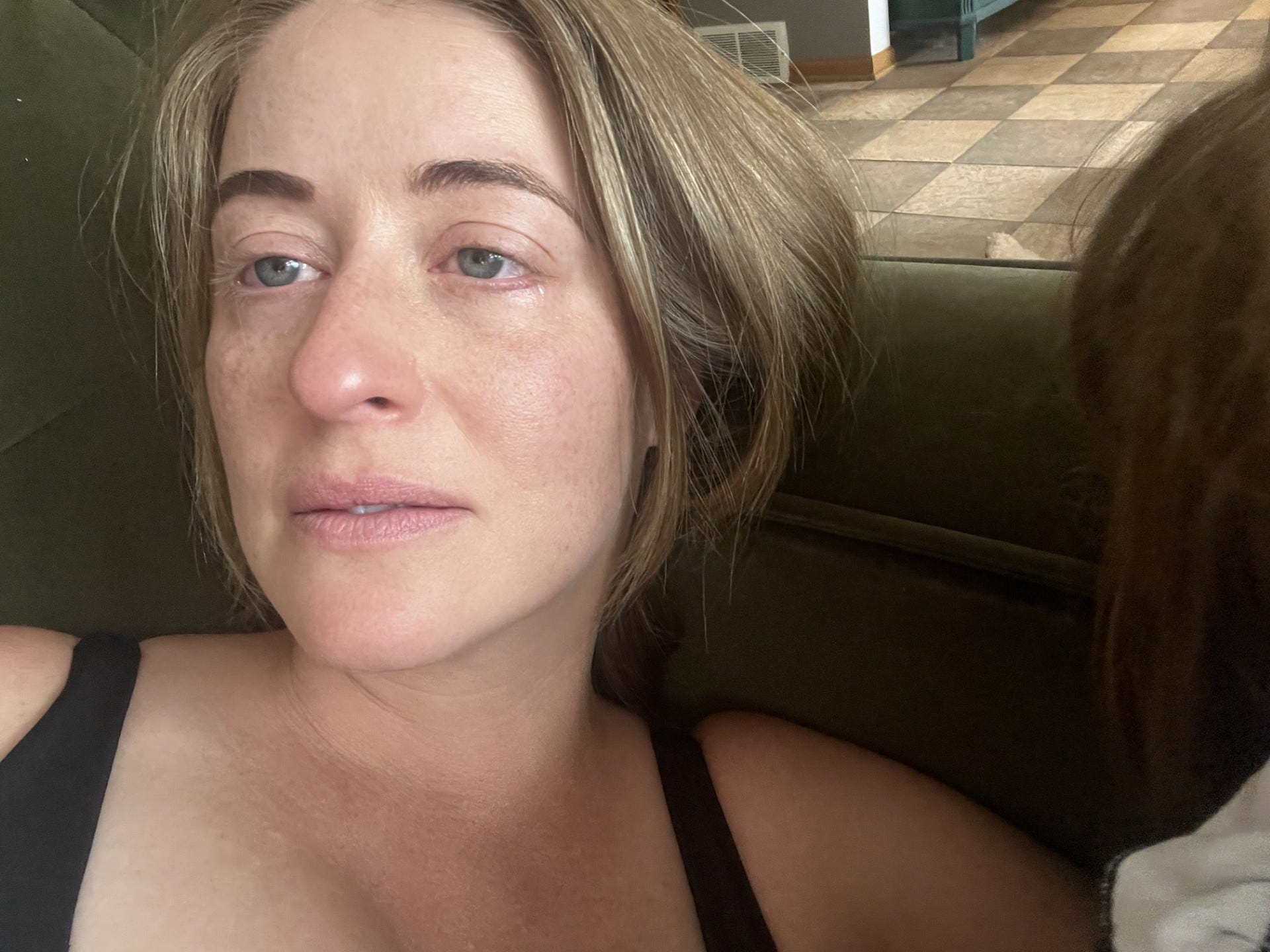
One of the questions I get asked most often is some version of, “So...what was wrong with you?” It’s a simple question with a not-so-simple answer. If you’re hoping for one diagnosis that neatly explains everything, I’m probably going to disappoint you. For a long time, I wanted one answer too. One diagnosis. One thing I could point to and say, “There. That’s what caused all of this.”
It started sometime in 2023. At the time, I was doing CrossFit roughly 4 days per week. Every once in a while, I’d do a morning class and just completely crash afterwards. Not the normal “good workout” kind of tired. It felt like someone had unplugged me. I’d crawl into bed with a pounding headache, sleep for hours, and lose the rest of the day. Then I’d wake up the next morning like nothing had happened. It happened just often enough to make me wonder what was going on, but not often enough to make any sense of it. I assumed I wasn’t fueling properly. Maybe I needed more electrolytes. Around that same time, I noticed something else. Any amount of alcohol would absolutely destroy me. I didn’t drink often, but when I did, I’d often end up with what felt like a full-blown hangover that same night. Again…weird but I thought I was just getting older. Looking back, these were probably my first warning signs. At the time, they just felt like random little annoyances.
I started working with a naturopath who thought I was dealing with adrenal dysfunction. I stopped CrossFit and spent the next six months walking, doing yoga instead and a new supplement protocol. Aside from some cortisol abnormalities, my labs looked pretty normal. So...life went on and I had streaks of feeling good. Until it didn’t.
On January 1, 2025, I went for a two-mile run. I came home, and within a few hours, I knew I’d done it again. Another crash. Except this one didn’t end. I kept waiting to wake up and feel like myself again but it never came. At first, I kept thinking it would pass. A few more days. Maybe another week.
The symptoms came in waves over the next few years, like chapters in a horror book. One chapter, it was crushing fatigue. Another, it was something completely different. Just when I thought I’d figured one thing out, it would fade, and something new would take its place. A few symptoms never really left: post-exertional malaise (PEM), burning eyes, a deep feeling of absolute depletion, and waves of fear and dread that seemed to come out of nowhere.
Looking back, here’s just some of what I experienced:
Crushing fatigue
Burning eyes
Flu-like body aches
Muscle twitching
Tingling in my hands and feet
Heart palpitations
Exercise intolerance
Heat intolerance
Anxiety that felt physical
Depression that didn’t feel like me
Insomnia
The fatigue is still hard to describe. We’ve all been tired. I have two kids who didn’t sleep, and I thought I knew what tired felt like. I didn’t. It felt like gravity had changed. Like my body was melting into the mattress. I’d wake up after ten hours of sleep and still wonder how I was supposed to make it through the day.
Then came the muscle twitching. It started just above my left knee. I figured it would go away in a day or two. It didn’t. Eventually it spread all over my body. The worst part wasn’t even the twitching itself. It was that it woke me up around two in the morning. I’d jolt awake with this overwhelming sense of fear, lie there feeling every twitch, and never fall back asleep. During the day I could distract myself. At night, there was nowhere to hide. Around the same time, my hands and feet started tingling. My grandfather had multiple sclerosis, so of course my mind went there.
I saw somewhere around fourteen different healthcare providers. Most had waitlists that stretched for months, so the process became a cycle of waiting, testing...and waiting some more. Almost every test came back normal yet here I was, so sick that I was unable to take care of my kids. Sobbing on the floor of my bathroom. Most of the time wishing I wasn’t here.
I saw:
Multiple primary care doctors
Urgent care
Neurology
Ophthalmology
Endocrinology
Urology
Two functional medicine doctors
A naturopath
A few of these doctors cared deeply, but most looked through the lens they’d been trained to look through. The neurologist looked for neurological disease. The endocrinologist looked at hormones. Primary care looked for common explanations. And when nothing obvious showed up, the conversation drifted toward stress, anxiety, or depression. Eventually, I started wondering if they were right. I was anxious. I was depressed. Not because those were causing my symptoms. Because living in a body you no longer recognize is terrifying with no end in sight. So I started taking Lexapro.
Eventually, my naturopath whom I loved looked at me and said something I’ll always appreciate. “I think we’ve reached the limits of what I can do.” She referred me to a doctor who specialized in long COVID, tick-borne illness, and mold-related illness. My first reaction was, no. Please don’t let me have that. I waited months to get in for my $900 initial appointment. Eventually, after extensive testing that cost thousands of dollars, I finally had lab work that reflected the misery I’d been feeling. Then came one diagnosis after another. First, long haul covid, positive. Then mold, positive. Lastly, a whole mess of positive results on the Lyme and tick-borne disease panel. Woof.
At first, a diagnosis felt like a gift. Finally, an answer. Finally, a plan. I remember thinking, Okay. This is it. I’ll do whatever it takes. I’ll change my diet. Take supplements. Add a prescription or two. I’ll do the work, and in a month or two I’ll have my life back. I couldn’t have been more wrong. Instead of one clear path, every diagnosis opened another rabbit hole. Another protocol. Another supplement Every new treatment came with hope, a high-tag but zero guarantee. Most also came with a warning. “It’s normal to feel worse before you feel better.”
Diagnoses I received over the years included:
Long haul COVID
Lyme disease with multiple tick-borne coinfections (Bartonella and Babesia)
Mold-related illness (positive for ochratoxin A)
Reactivated Epstein-Barr virus (EBV)
Reactivated strep
Mycoplasma
Parvovirus
Toxoplasmosis
Chronic fatigue syndrome (ME/CFS)
Sluggish thyroid (hypothyroidism)
MTHFR and COMT genetic variants
Anxiety
Depression
One thing I’ve learned is that chronic illness rarely fits into a neat little box. Many people don’t end up with one diagnosis. They end up with several. Whether those conditions caused one another, triggered one another, or simply overlapped, I don’t know and I never will. I just know my body had become incredibly complicated. As one of my favorite nurse practitioners put it, I was dealing with a “seven-layer shit sandwich.”
If I wasn’t obsessively researching enough at this point, I started doing more. So I started reading everything I could about Lyme disease and mold. At the time, long COVID was still so new that there weren’t many answers. I devoured books, podcasts, research papers, Facebook groups, Reddit (highly do not recommend), YouTube videos...anything that might explain what was happening to me. More than anything, I was looking for someone whose story sounded like mine. I found some. Unfortunately, most of them didn’t have happy endings. Many people were still bedridden years later. I managed to scare the shit out of myself.
The doctor I eventually saw was with Forum Health in Mequon. Like many physicians who specialize in this type of illness, she and her daughters had their own chronic illness stories with mold and Lyme. She was stoic and not especially warm, but she seemed smart. At that point, bedside manner wasn’t high on my priority list. I just wanted someone who understood. One of the treatments she strongly recommended was something called SOT therapy. It was incredibly expensive, tens of thousands of dollars, with no guarantee it would work. The basic idea was that my blood would be sent to a lab in Brazil, where they would create a therapy designed to target one specific infection at a time. While we discussed SOT as the long-term plan, she started me on an aggressive treatment protocol for long COVID and mold. Within weeks, I spiraled. Physically. Mentally. At one point, I was taking 32 pills a day, spread across four different dosing times. One medication alone, a controversial antiviral sometimes used in HIV treatment, cost me $500 a month. None of it was covered by insurance. By then, this illness wasn’t just consuming my body. It was consuming our savings, our time, and nearly every ounce of mental energy I had.
I remember sitting on the floor crying almost every day, letting it all out to Zach. I couldn’t live like that. The only reason I didn’t take a leave from work was because I worked from home and could rest whenever I needed to. Even then, I was barely hanging on. I had no energy to keep up with the house, much less cook dinner.
My kids were scared.
They didn’t know why Mom wasn’t fun anymore.
Why I couldn’t jump on the trampoline.
Why I wasn’t being goofy and fun.
Why I spent so much time lying in bed.
Zach did everything he could to hold our family together, but I’m sure he was scared too. He didn’t understand what was happening any more than I did. From the outside, it probably looked like depression. And to be fair...I was depressed. But I wasn’t depressed instead of being sick. I was depressed because I was sick. Imagine having the flu every single day. The body aches. The headaches. The exhaustion. Now imagine it never ending. I knew I had so much to be grateful for, but I felt like I was watching my own life happen without me. Every day that passed reminded me of everything I was missing out on.
I wasn’t making memories with my kids. I wasn’t laughing. I wasn’t living. I felt like a burden to everyone around me.
I remember thinking, Is this my dark night of the soul? More than anything, I knew something was terribly wrong.
The hardest part was that no one around me could explain it. That wasn’t their fault. I was a medical mystery.
Over three days, I called the office multiple times because I didn’t know which medications I could safely stop. I spiraling downward fast. When someone finally called me back, they told me to stop everything. That’s it. Just stop taking 32 pills. There wasn’t much explanation. There wasn’t much empathy. At this point, I knew I needed a clean slate and cut back on a lot of the more intense medication and knew I definitely needed a new doctor.
While I searched for another doctor, I also started changing things outside of medicine. Based on my research, we tested our home for mold. We paid for a HERTSMI-2 test. We hired a mold-sniffing dog. We brought in an environmental biologist. Together, those alone cost several thousand dollars. They found a few minor issues, but nothing that screamed, This is it. Still, we kept going. We replaced old carpet. We replaced an aging patio door. We put on a new roof. We filled the house with air purifiers and started swapping out household products. I got rid of a huge amount of our belongings. Did any one of those things fix me? Probably not. But when you’re trying to lower your body’s overall burden, every decision starts to feel like a vote in the right direction. Besides, these were projects our house needed eventually anyway. We just moved the timeline up and hoped they might help.
Somewhere along the way, we stopped asking, “Will this help?” and started asking, “Can we afford to keep trying?”
We spent thousands on appointments, testing, medications, supplements, inspections, air purifiers, and changes to our home. Most of it wasn’t covered by insurance. I know how fortunate we were to even have those options. Many people don’t. That’s one of the hardest parts about chronic illness. Sometimes the search for answers becomes almost as exhausting as the illness itself.
Around that same time, I started learning about the nervous system. I learned about something called brain retraining and signed up for a program called Primal Trust. I’ll be honest—I hated the phrase brain retraining. It sounded like another version of, “It’s all in your head.” It wasn’t until I stuck with it that I realized what they were actually saying. When you’ve lived in a body that keeps surprising you with frightening symptoms, your brain starts expecting danger.
I started monitoring everything. Every headache. Every twitch. Every strange sensation. My brain assumed every little thing meant another crash was coming. My symptoms were real. But so was the fear my body had learned. That realization sent me down a completely different rabbit hole. I started reading about the mind-body connection. I started meditating.
For the record, I resisted the idea that my nervous system could play such a big role. Sure, I had occasional anxiety. Who didn’t? I didn’t think of myself as a particularly stressed person. I had a good job with strong work-life balance, a wonderful family, time to work-out and a life I genuinely loved. As I started learning how to calm my nervous system, I had a bit of an ah-ha moment. I’d been living on adrenaline without realizing it. Always rushing. Always moving. Always trying to squeeze one more thing into the day. I thought that was just my personality. It wasn’t. It was my nervous system. Now I can feel when my body starts slipping back into that familiar state—running on adrenaline, constantly scanning, rushing to the next thing. I don’t think my nervous system caused everything that happened to me but it sure wasn’t helping myself heal.
Thankfully, that wasn’t the end of the story. Eventually, I found another physician, Dr. Lyday, whose approach was almost the complete opposite. She moved slowly, thoughtfully, and never overpromised. There were no miracle cures or guarantees but we did have a plan to take one step at a time. Her personality couldn’t have been more different, too. She was warm, funny, optimistic, and somehow managed to give me something I hadn’t felt in a long time: hope.
Since early 2026, I’ve been doing so much better than I was. I work. I exercise again, although I’m still learning what my body tolerates and what leaves me feeling depleted. I’m present with my family. I laugh more. I make plans for the future again instead of wondering how I was going to survive the next day. I don’t consider myself cured. I don’t know that anyone with a “seven-layer shit sandwich,” ever really feels like they’ve reached a finish line. Healing has been much less like flipping a switch and much more like watching the tide slowly come back in. Some days are still hard. Some symptoms still show up. There are still questions I don’t have answers to. But I’m no longer waiting for someone to hand me the missing piece that will finally let me live my life. I’m already living it.
I spent years believing healing meant getting back to the person I used to be. It turns out healing looked much more like becoming someone new. I pay attention now, but I don’t hyperfixate. I notice more, but I ruminate less. I discovered a deeper compassion for people who are suffering, whether anyone else can see it or not. I meditate most days. My spiritual life has deepened unexpectedly. I started asking bigger questions. I don’t rush through my days the way I used to.
I would never choose this path. But I can’t pretend it didn’t change me. It gave me a second chance—not just at feeling better, but at living differently. And that’s a gift I’ll spend the rest of my life trying to honor.
What an awesome story . I am glad you are e doing better and I wish for you all the best !🥰💞
Bless you love, you're a strong soul.
X